
How to maximize your personal branding? Tips and advice for a successful personal brand
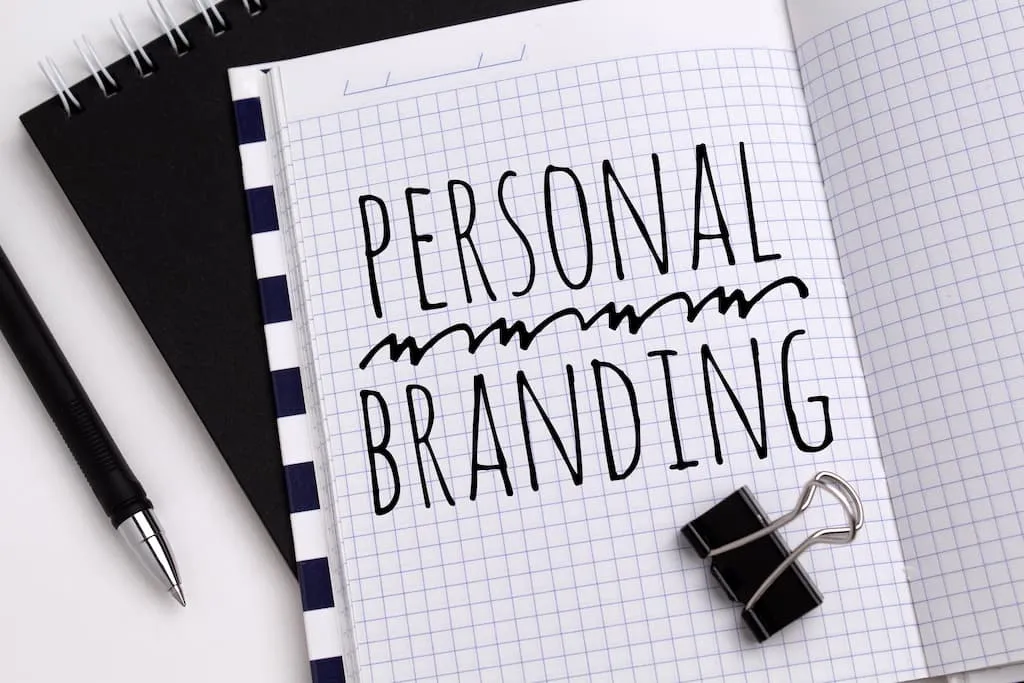
How to develop your personal branding
Successful personal branding helps strengthen your visibility and expertise in a professional field. But how can you develop it? What tools should you put in place to create and manage your personal brand? How do you set specific goals to maximize your personal branding? To help you better understand, here are some tips and examples for building your personal brand effectively and strategically to achieve your goals.
Defining personal branding
Personal Branding is a process through which you can create and manage your own personal brand, by highlighting your work, skills, and professional experience. In short, it is the way you are perceived by others as a professional.
Your personal branding can consist of your name, your face, or even the way you interact with others. A successful personal brand means that you are able to bring greater added value to your professional field and your company.
*
What is personal branding?
Personal branding is an approach to creating your personal brand by promoting your work through various means and channels such as social media, personal websites, blogs, forums, etc., and thus presenting yourself to others in a professional manner.
Good personal branding allows individuals to increase their visibility with others and attract more potential clients.
Why is it important?
When you want to advance your career or improve your company's image, personal branding is essential. Through good personal branding, you can establish a positive image that will attract attention to you and help strengthen your professional reputation.
By working on your personal image, you can increase your chances of discovering exciting jobs and being perceived favorably by potential employers.
How to develop it?
To develop your personal brand, there are several things you can do:
- Clearly define achievable goals. Then, you will need to determine what makes your personal brand unique as well as the elements you have to offer your target audience. Use this information to highlight your unique personal and professional skills that can be useful to others
- Identify your unique value and expertise. Determine what makes your brand unique in terms of services or products offered. Think about the skills that the people in your audience possess.
- Identify the right audience. Do research to see who your personal brand is aimed at. Identify the type of people you want to connect with and how you will reach them.
- Create quality content. Create relevant content that will resonate with your audience. Use tools to promote your brand through social media or personal websites, for example.
- Use tools and social media. Social media is an excellent tool (see: our digital marketing guide or our article on LinkedIn personal branding) for expanding your personal brand and making it visible. You can create accounts on different networks and post interesting content to attract attention and engage your audience.
Developing a personal branding strategy
A good personal branding strategy is based on several key points: clearly defining your goals, determining your unique value and expertise, identifying your audience and potential clients, creating quality content, and using tools and social media wisely. By following these steps, you can develop an effective strategy to maximize your personal brand.
Defining your needs
The first step in the personal brand development process is to define your purpose. Goals should be SMART (specific, measurable, achievable, relevant, and time-bound).
Once your targets have been established, you can then work towards them.
Determining your unique value and expertise
Next, you will need to find what makes your personal brand unique and what you have to offer your target audience. Use this information to highlight your unique personal and professional skills that can be useful to others.
Identifying your audience and potential clients
When you have a thorough understanding of your target audience, you can adapt your content more effectively to reach and engage them. By understanding their needs, interests, and expectations, you can create relevant and useful content that meets their expectations, which will help strengthen your professional image.
Creating quality content
Another important element to consider is creating quality content that will spark your audience's interest and lead them to learn more about you and engage with your work. You can develop informative and practical articles, videos, or podcasts to help people better understand your area of expertise.
Using tools and social media
Social media can be an excellent tool for promoting your personal brand. They offer many opportunities to share your content, interact with your audience, and build a community.
By using these channels, you can reach more people and increase the awareness of your personal brand.
Implementing the personal branding strategy
Once you have established a solid strategy, it is time to implement it. The following steps can help you maximize your personal brand:
Developing a professional image
To create a good professional image, you will need to pay attention to how you present your work on the Internet. Be aware of the messages you send, whether by email or through social media, as everything you post on the web will remain accessible to others who are looking to learn more about you.
Increasing your visibility
When trying to increase your exposure, think about how to engage your audience and capture their attention. Actively participate in relevant conversations on forums or social media, collaborate with current influencers, or seek the help of a marketing specialist to develop an effective promotion strategy.
Taking action to achieve your goals
Once you know your target audience well and have put in place the means to communicate with them, it is time to take action! Clearly define what actions need to be taken to achieve your goal and execute them. Implement the strategy and work hard to achieve good results.
A strong personal brand is the key to success in a world where everyone is competing for attention. By developing an effective personal brand, you show that you are a qualified professional who can help others find the solutions they need.
The key is to set achievable goals, thoroughly understand your target audience, and develop quality content to maximize your personal brand.

The Key Roles of a Press Relations Agency in Corporate Communication
Defining an effective corporate communication strategy is essential for building a positive image and strengthening…
Read more
Digital Press Relations: A Crucial Lever for Your Business Success
In today's competitive landscape, businesses must constantly adapt and innovate in their communication strategies to…
Read more
What Is E-Reputation?
E-reputation or online reputation represents the perception that internet users have of a company through social media,…
Read more![The Digital Marketing Guide 2022 for All Marketers [TIPS]](/medias/blog/marketing-digital.webp)
The Digital Marketing Guide 2022 for All Marketers [TIPS]
Consumers and businesses have seen their consumption habits transform over the past 10 years. With the rise of ever…
Read more
Creating an Essential Media Kit for Your Business
In the modern business world, having a high-performing and professional media kit has become an essential element for…
Read more
How to Conduct an Effective E-Reputation Audit for Your Business
E-reputation, also known as online reputation, has become a major challenge for businesses in the digital age.
Read more