
Creating an Essential Media Kit for Your Business

Creating an Essential Media Kit for Your Business
In the modern business world, having a high-performing and professional media kit has become an essential element for standing out.
A well-designed media kit can help you build strong relationships with the media, brands, and advertisers, while strengthening your company's reputation.
In this article, we offer some tips for creating the perfect media kit that will meet the expectations of your target audience.
The Key Elements of a Successful Media Kit
To create a compelling media kit, it is necessary to include a variety of materials that will help your partners and the media better understand and promote your business. Here are some essential elements:
- A general overview of your company: Briefly present your company, its history, mission, and values. Be concise and emphasize what makes your brand unique.
- Suitable visuals: Provide high-quality images, such as photos of your products or services, logos, and graphics. Make sure these visuals are in digital format to facilitate their integration into various communication materials.
- Press releases: Include your latest press releases to show that your company is active and innovative. This can also generate media interest in your upcoming events or product launches.
- Client testimonials: Showcase positive feedback from satisfied clients to demonstrate the quality and relevance of your products or services.
- A media kit contact section: Make it easy to get in touch by providing a dedicated contact form, as well as the contact details of the people to reach within your company.
- A list of partners: Highlight the brands and advertisers you already work with to strengthen your credibility.
Design and Layout: Key Elements for an Attractive Media Kit
Beyond the content, it is crucial to pay attention to the design and layout of your media kit. A professional and attractive design will capture the attention of your target audience and make the information easier to read. Here are some tips to optimize the design of your media kit:
- Use a consistent design: Make sure the appearance of your media kit aligns with your company's brand image. Use the same colors, fonts, and graphic styles as your other communication materials.
- Organize information logically: Structure your media kit into clearly identifiable sections, with relevant titles and subtitles. This will make navigation easier and allow your contacts to quickly find the information they are looking for.
- Opt for a digital format: Offer your media kit in PDF or HTML format, easily viewable and shareable on a computer, tablet, or smartphone.
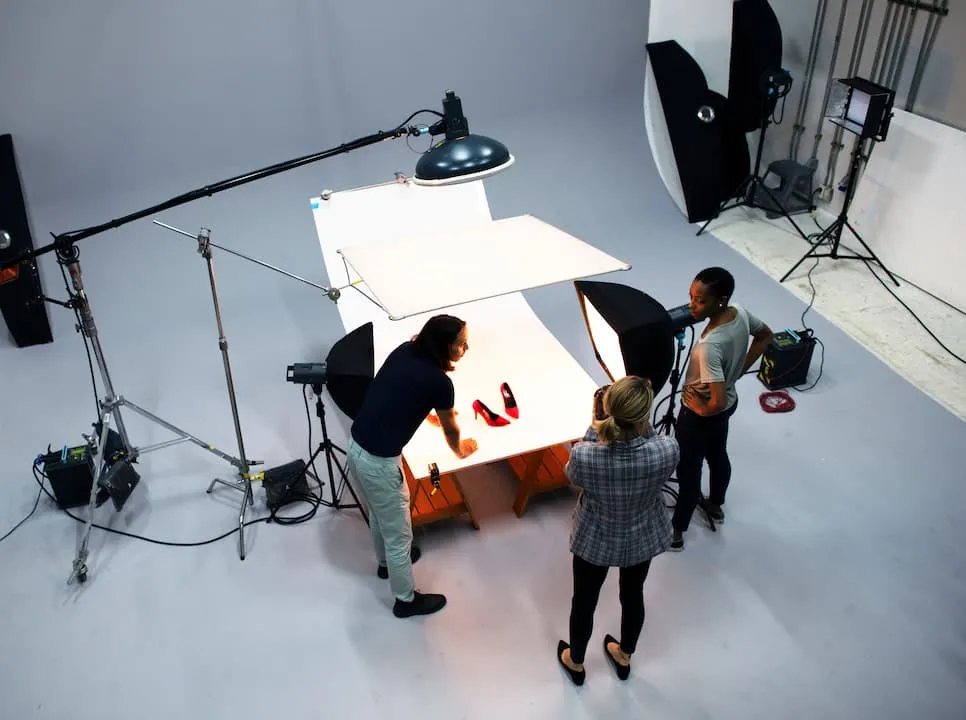
How to Customize Your Media Kit for Different Audiences?
It is essential to adapt the content and tone of your media kit according to the specific needs of each category of recipients.
Indeed, the expectations of an advertiser will not be the same as those of a journalist or an influencer. Here are some tips for adapting your media kit to various audiences:
Journalists and the Media
To capture the attention of journalists and the media, it is important to highlight the innovative and interesting aspects of your company.
Present case studies, recent successes, or innovative projects in progress, for example. Also make sure to provide clear and precise information about your products, services, and financial results.
Do not hesitate to include quotes from executives or experts to strengthen the impact of your press releases.
Brands and Advertisers
To attract brands and advertisers, focus on partnership and collaboration opportunities with your company.
Show how your brand can add value to their advertising or communication campaigns.
Offer concrete examples of successful collaborations and present the results in terms of visibility, engagement, and sales generated.
Influencers and Bloggers
To attract influencers and bloggers, it is important to personalize your approach and show them that you understand their specific needs.
Present content ideas tailored to their audience, as well as products or services likely to interest them. Also provide information about the benefits they can gain from a collaboration with your company, such as commissions, gifts, or invitations to exclusive events.
Promoting and Sharing Your Media Kit Effectively
Once your media kit is created, it is time to make it available to your potential partners and actively promote it. Here are some ways to ensure optimal distribution of your media kit:
- Upload it to your website: Make your media kit easily accessible by placing it on a dedicated page of your website, or by integrating it directly into your press or partners section.
- Use social media: Regularly share your media kit on your Facebook, Twitter, LinkedIn, or Instagram accounts to reach a wide audience and generate interest from new people.
- Send it by email: Include a link to your media kit in your email signatures and send it directly to the contacts you want to target (media, advertisers, influencers, etc.).
- Update it regularly: Make sure to keep the information in your media kit up to date as your company evolves, and add or remove elements based on feedback from your partners.
By following these tips, you can create an attractive and relevant media kit that will showcase your company to your various target audiences.
Remember to share it actively and adapt it over time to maximize its impact and attract ever more potential partners.

The Key Roles of a Press Relations Agency in Corporate Communication
Defining an effective corporate communication strategy is essential for building a positive image and strengthening…
Read more
Digital Press Relations: A Crucial Lever for Your Business Success
In today's competitive landscape, businesses must constantly adapt and innovate in their communication strategies to…
Read more
What Is E-Reputation?
E-reputation or online reputation represents the perception that internet users have of a company through social media,…
Read more![The Digital Marketing Guide 2022 for All Marketers [TIPS]](/medias/blog/marketing-digital.webp)
The Digital Marketing Guide 2022 for All Marketers [TIPS]
Consumers and businesses have seen their consumption habits transform over the past 10 years. With the rise of ever…
Read more
How to maximize your personal branding? Tips and advice for a successful personal brand
How to develop your personal branding
Read more
How to Conduct an Effective E-Reputation Audit for Your Business
E-reputation, also known as online reputation, has become a major challenge for businesses in the digital age.
Read more