
The Digital Revolution Is Transforming Event Promotion
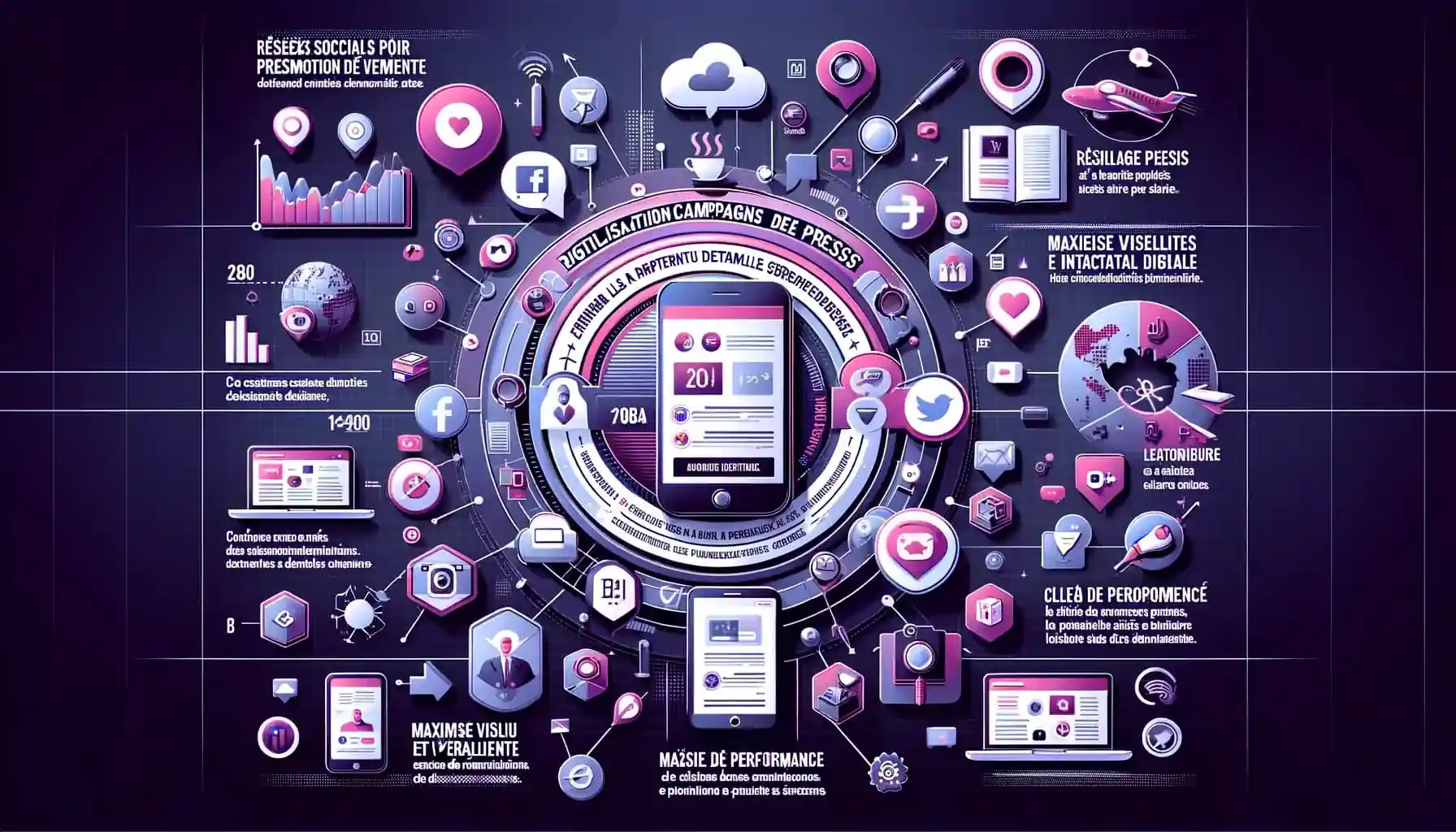
The digital revolution has significantly changed the media landscape and the means of communication between businesses and their customers.
Digital press, Web 2.0 and social media are now at the heart of the event promotion process. They offer organizers an ideal platform for disseminating information and maintaining a constant dialogue with their audience.
Social Media and Web 2.0: The New Channels for Information Dissemination and Promotion
Social networks such as Facebook, Twitter and Instagram have become essential tools for disseminating information in real time and reaching an ever-wider audience.
These channels make it possible to target specific audiences, share attractive content (photos, videos, articles, etc.) and interact with internet users.
Virality at the Service of Events
With these new platforms, event organizers can also take advantage of the virality and sharing potential offered by Web 2.0.
Indeed, thanks to hashtags, "likes" and shares, news and information relayed on social networks have a strong impact and spread rapidly among a large number of internet users.
Digital Press: An Effective and Targeted Information Channel
In addition to social media, digital press is another widely used communication channel for promoting events.
Cost-effective, fast and interactive, it offers increased visibility and reaches a diverse audience, often complementary to that of traditional media (print, radio or television).
Blogs and Specialized Websites
Collaborating with influencers and securing publications on blogs and websites specializing in the events sector is a valuable promotional lever.
These platforms attract a qualified audience seeking relevant and reliable information related to the desired field.
Implementing a Tailored Digital Strategy
The digitization of press campaigns therefore offers numerous opportunities for event promotion. However, it is essential to implement a tailored digital strategy, aligned with the event's objectives and target audience, to maximize its reach and impact.
For more information and concrete examples on implementing event marketing strategies, check out this comprehensive guide on eventtia
Choosing the Right Tools
Several factors must be considered when choosing digital tools for a promotional campaign:
- The event's objective: communicating the main theme, attracting a specific audience, generating sales, etc.
- The available budget: investing in online advertising, organizing contests, engaging brand ambassadors, etc.
- The team's skills: mastering the various platforms and tools, working with external service providers, training team members, etc.
Developing an Action Plan
Once the tools are selected, it is important to define a precise action plan to carry out the promotional campaign effectively:
- Determine the content to distribute: practical information, program, speakers, testimonials, photos or videos.
- Establish a publication schedule: taking into account event-related news, industry requirements and key moments to capture the audience's attention.
- Set up a digital performance measurement system: analyze the results (number of views, shares, interactions) and adjust the strategy based on the outcomes achieved.
Measuring Digital Performance: A Major Challenge for Press Campaigns
To ensure the success of an event promotional campaign, it is crucial to measure the effectiveness of each action taken and to track performance indicators.
This will notably help validate strategic choices, optimize the resources allocated to the project and achieve the set objectives.
Analyzing Key Metrics
Various data can be analyzed to measure the success of a promotional campaign:
- Traffic generated on the event's official website: number of visitors, origin, behavior...
- Interactions on social media: shares, "likes," comments, link clicks...
- Media coverage in the digital press: published articles, generated audience, number of backlinks...
- Sales made online (tickets, merchandise) or on-site during the event.
Adapting Your Actions
Based on the results obtained, it may be necessary to adapt your strategy or certain specific actions:
- Modify the publication schedule to better capture the audience's attention and avoid quiet periods.
- Adjust the distributed content to meet the expectations and needs of internet users (formats, themes, tone...).
- Optimize social media management to improve engagement and virality of shared content (posting at specific times, choosing hashtags, featuring influencers...).
In conclusion, the digitization of press campaigns boosts event promotion and offers new opportunities to connect with the public.
Thanks to social media and digital press, organizers can capture their audience's attention, share attractive content, and energize their communication.

Digital Monitoring: The Essential Foundations
Before diving into the heart of the matter, let's take a look at the key elements of digital monitoring. These five…
Read more
Strategies of a PR Agency 2.0 in the Digital Era
In today's constantly evolving world, communication agencies and PR professionals face new challenges in ensuring their…
Read more
Innovative Strategies for Press Planning in the Digital Age
Digital transformation is redefining PR strategies. Discover new content formats, essential tools, and multichannel…
Read more
Understanding the Instagram Engagement Routine
One of the keys to success on Instagram involves the strategic use of what is known as the "engagement routine." But…
Read more
The Risks of E-Reputation: How to Avoid a Crisis for Your Reputation
With the growing presence of businesses on social media, managing their e-reputation is a major challenge. The…
Read more
Lobbying in the Digital Age: Impact and Communication Strategies
Digital influence communication has undergone significant transformation thanks to technological advances.…
Read more